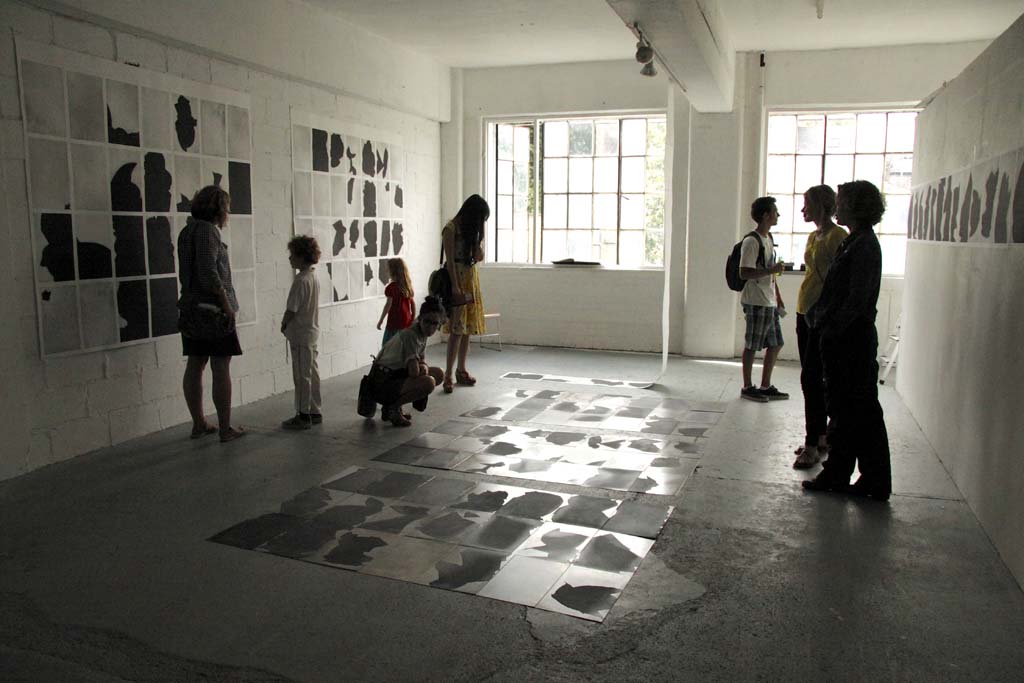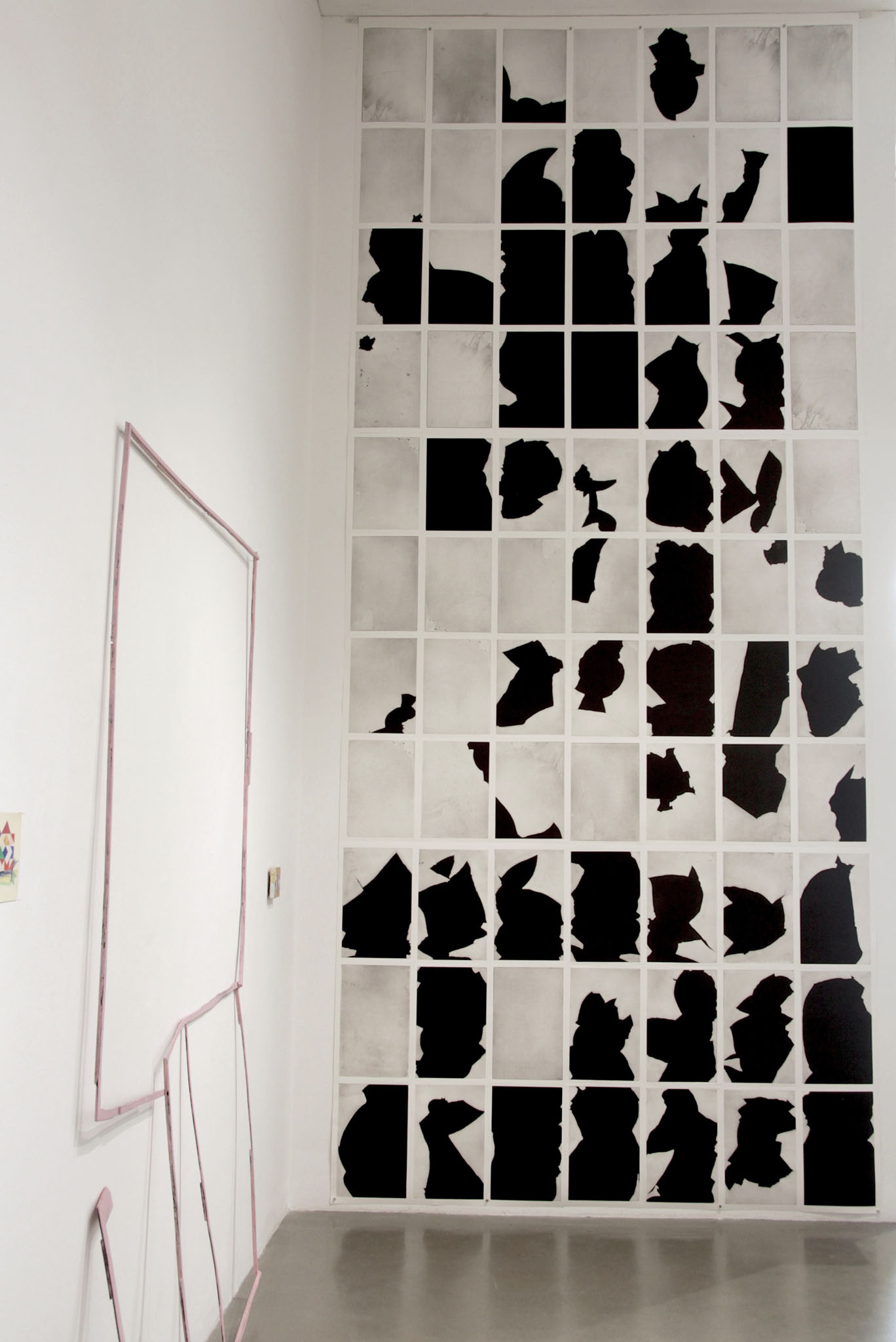
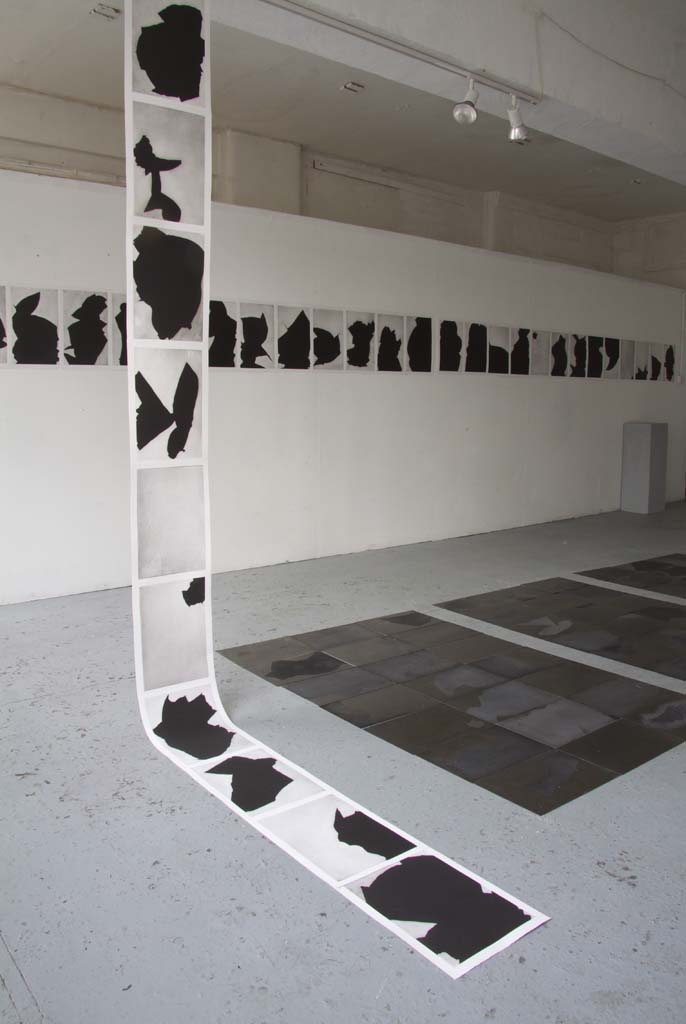
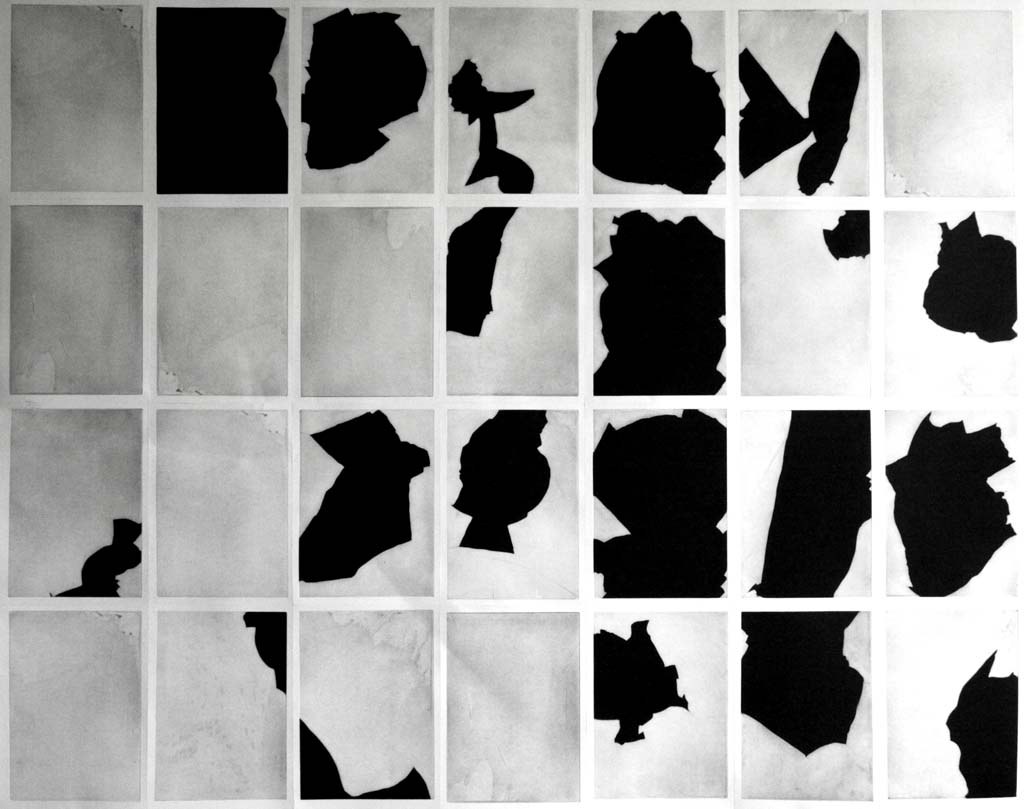
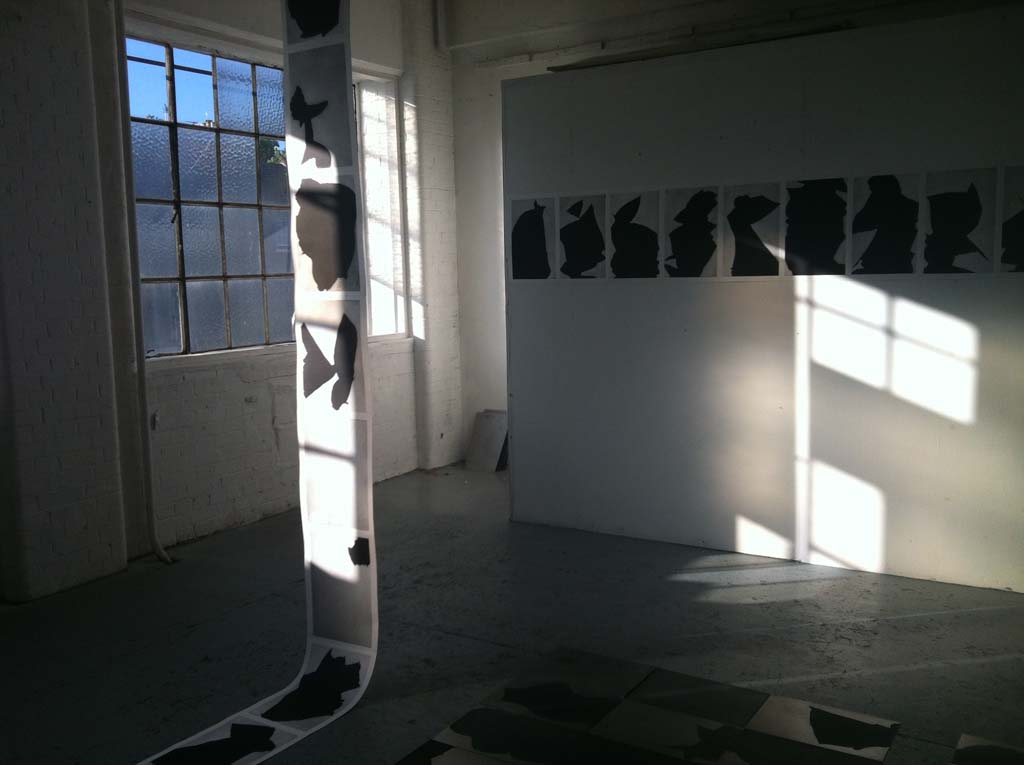
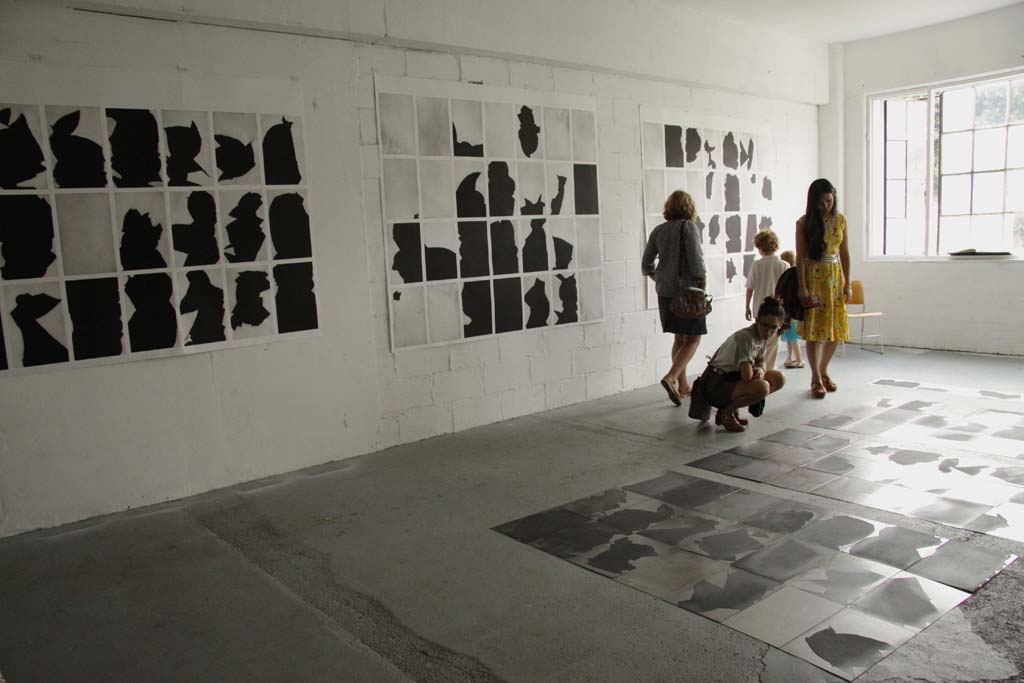
A residency at Studio 4, Chisenhale Art Place in 2013 gave Sam Hodge the chance to make Repetition and Difference. This is a life-sized representation in etching, of a broken, triple height window in the derelict part of the old factory building at Chisenhale. Each pane has been broken on a different occasion and in a different way.
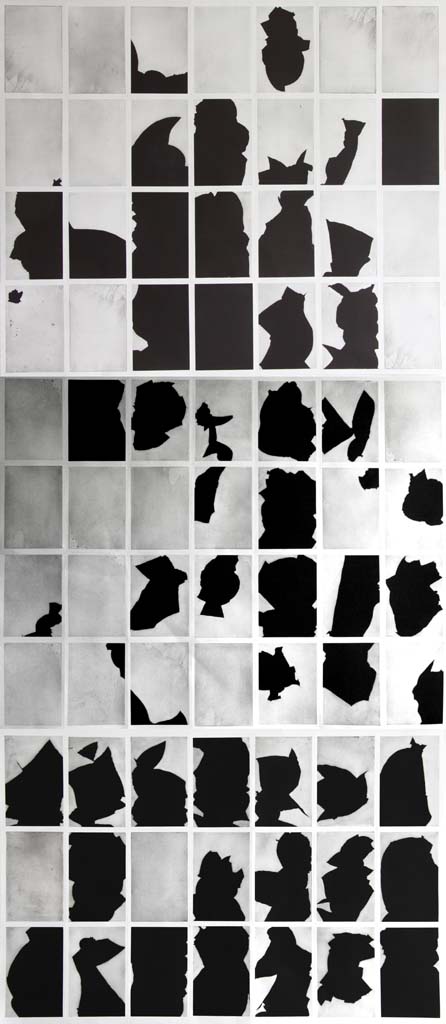
This contrasts with repetitive grid structure of the windows, producing something analogous to a scientific experiment, or perhaps just the record of a series of unfortunate events.
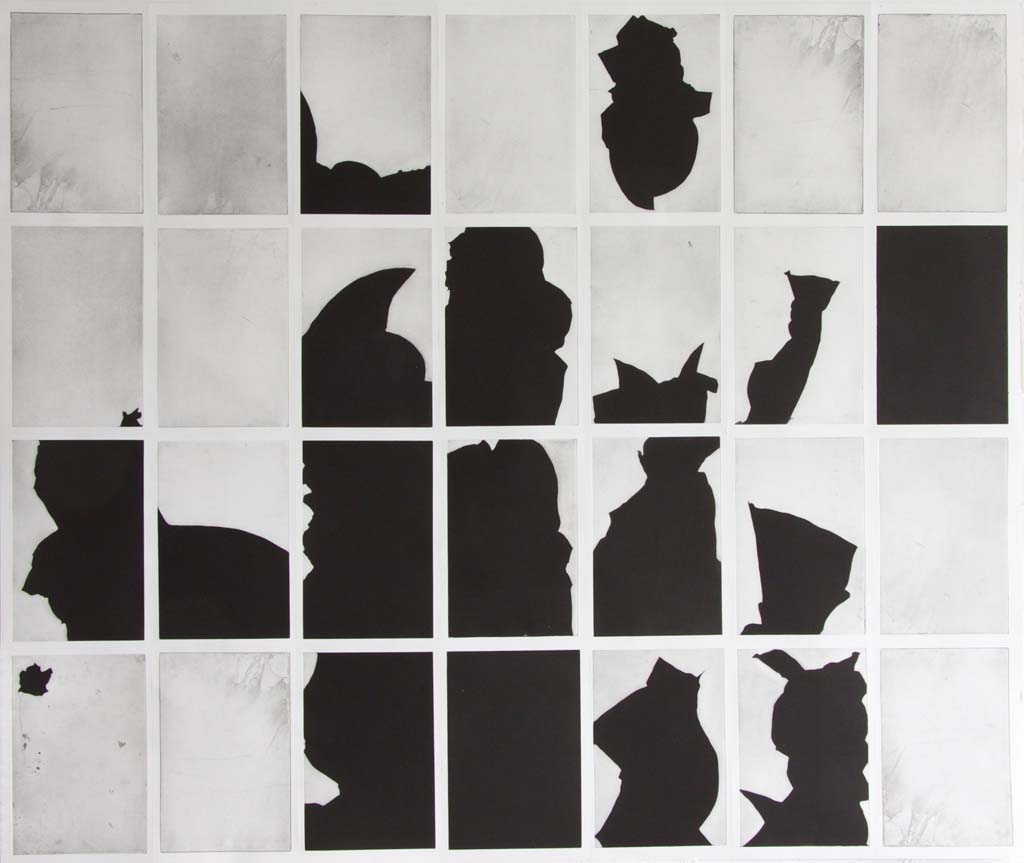
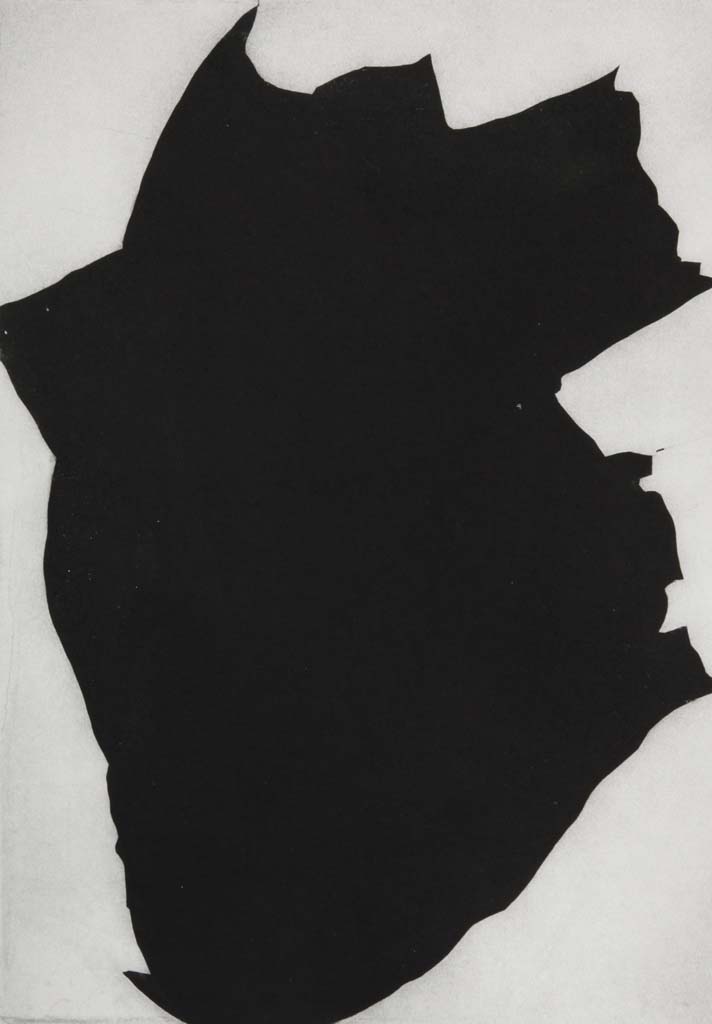
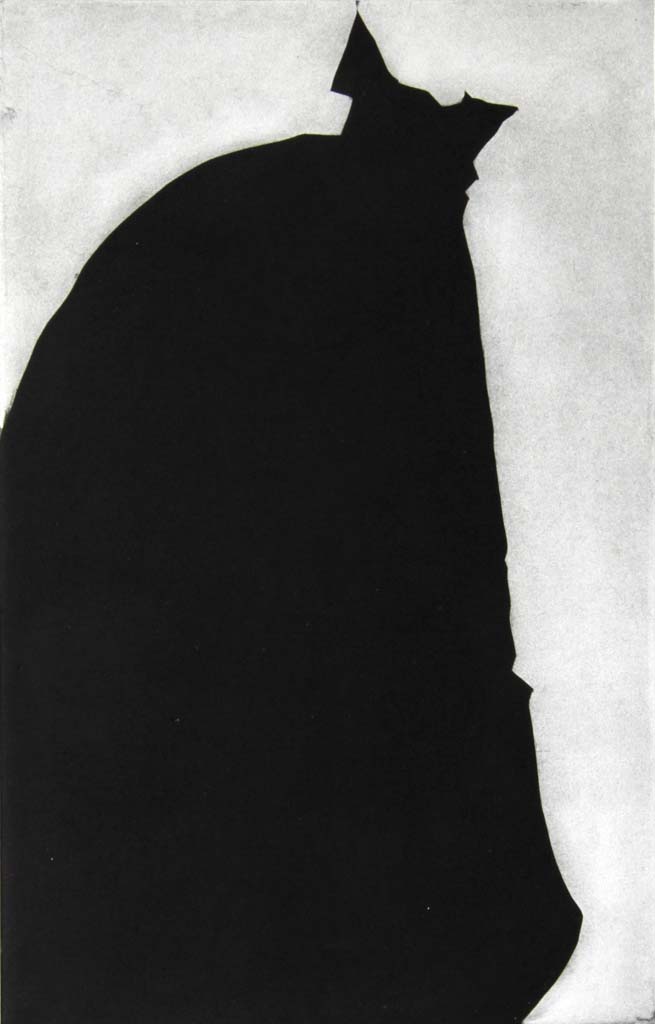
The etchings are made on steel plates cut to the same size as the windowpanes. The voids are given a velvety black form where the acid bites, while the natural tooth of the slightly rusted steel gives a pale grey tone to the areas of glass.
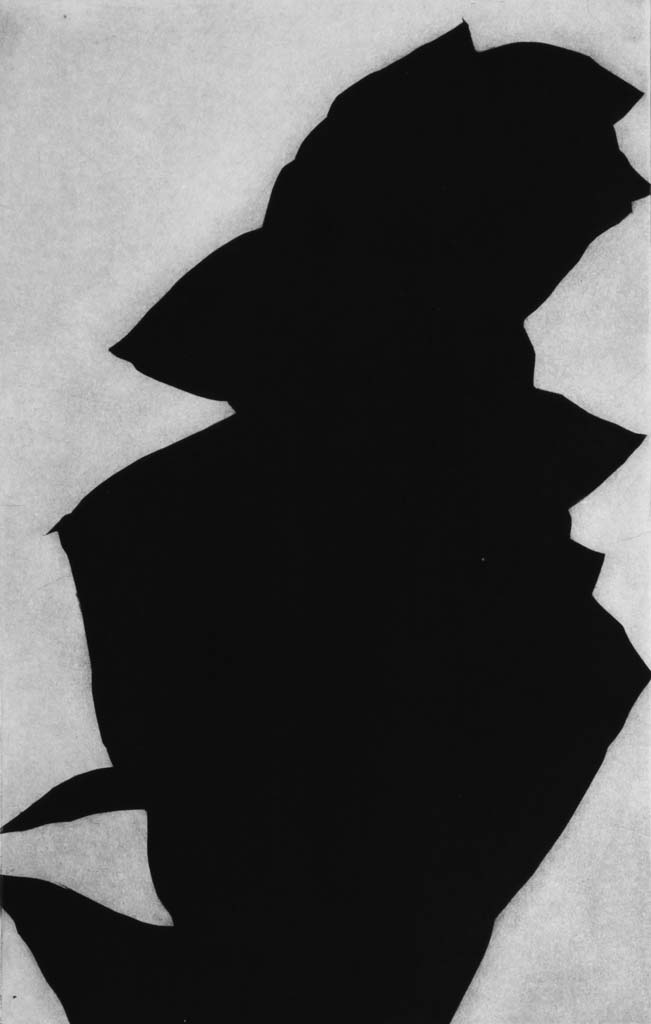
Printmaking has always been a way of mass-producing images, but in this piece the artist is not just creating an edition by repeatedly printing from one plate, but making a series of prints in which the production of the plates is also repeated over and over again on an industrial scale.
In the last few years Sam Hodge has been particularly drawn to broken glass; tracing and printing crack patterns in windows and mobile screens.
Accidental or intentional violence damages glass irreversibly, destroying its smooth, simple transparency and reminding us of the fragility of manmade things.
Its sharpness is dangerous and its complexity unwelcome.
Because of this, broken glass is often used as a metaphor for the irreversible fracture of a person or society, but complexity and imperfection have their own beauty.
By reproducing the fractures using traditional printing techniques, she is responding to the destructive work of a moment with painstaking craft; drawing attention to the diversity of structure and form in the patterns made, and connecting them with the history of representation of natural forms.
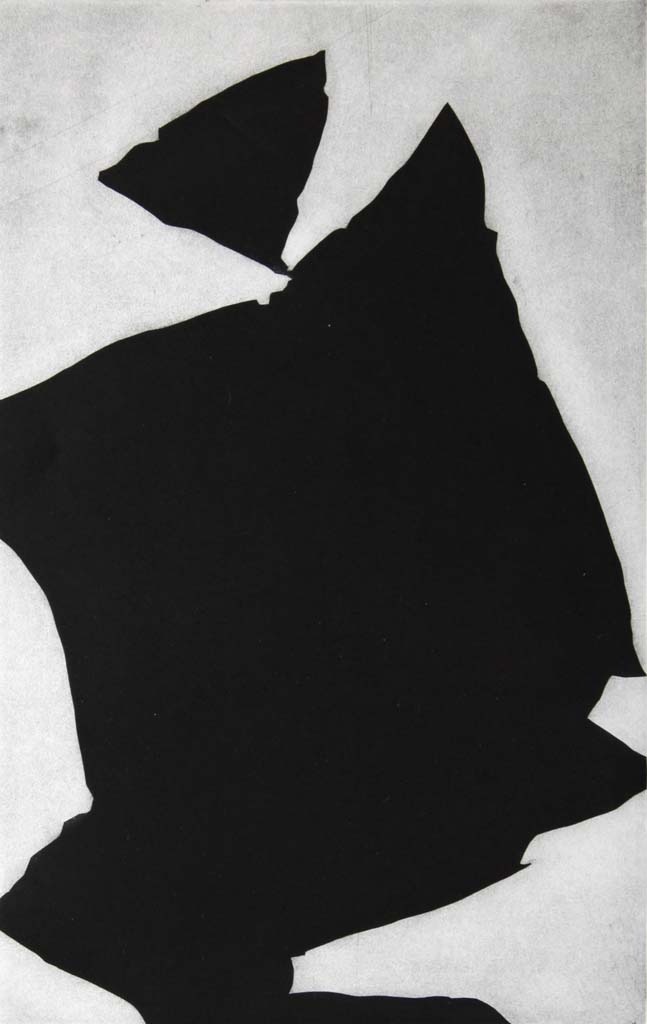
The transformation of glass into print in Repetition and Difference also encourages the viewer into pareidolia – the tendency to invest abstract, randomly produced shapes with meaning; seeing, for example, animal and human figures in the voids.
This work has been selected for The Creekside Open 2015 by Richard Deacon. This will the first time the triptych has been displayed as one 5 m high piece.
The Creekside Open runs at APT Gallery, 6 Creekside, Deptford, London SE8 4SA from June 11th to July 5th 2015.